Lip Colour Tattoo Explained: A UK Buyer's Guide
Lip Blush Gone Wrong: Patchy and Uneven Results — What They Mean and How to Fix Them
Lip blush healed patchy, uneven or grey? What each failure looks like, the fix ladder from perfecting session to removal, and how to prevent a repeat.
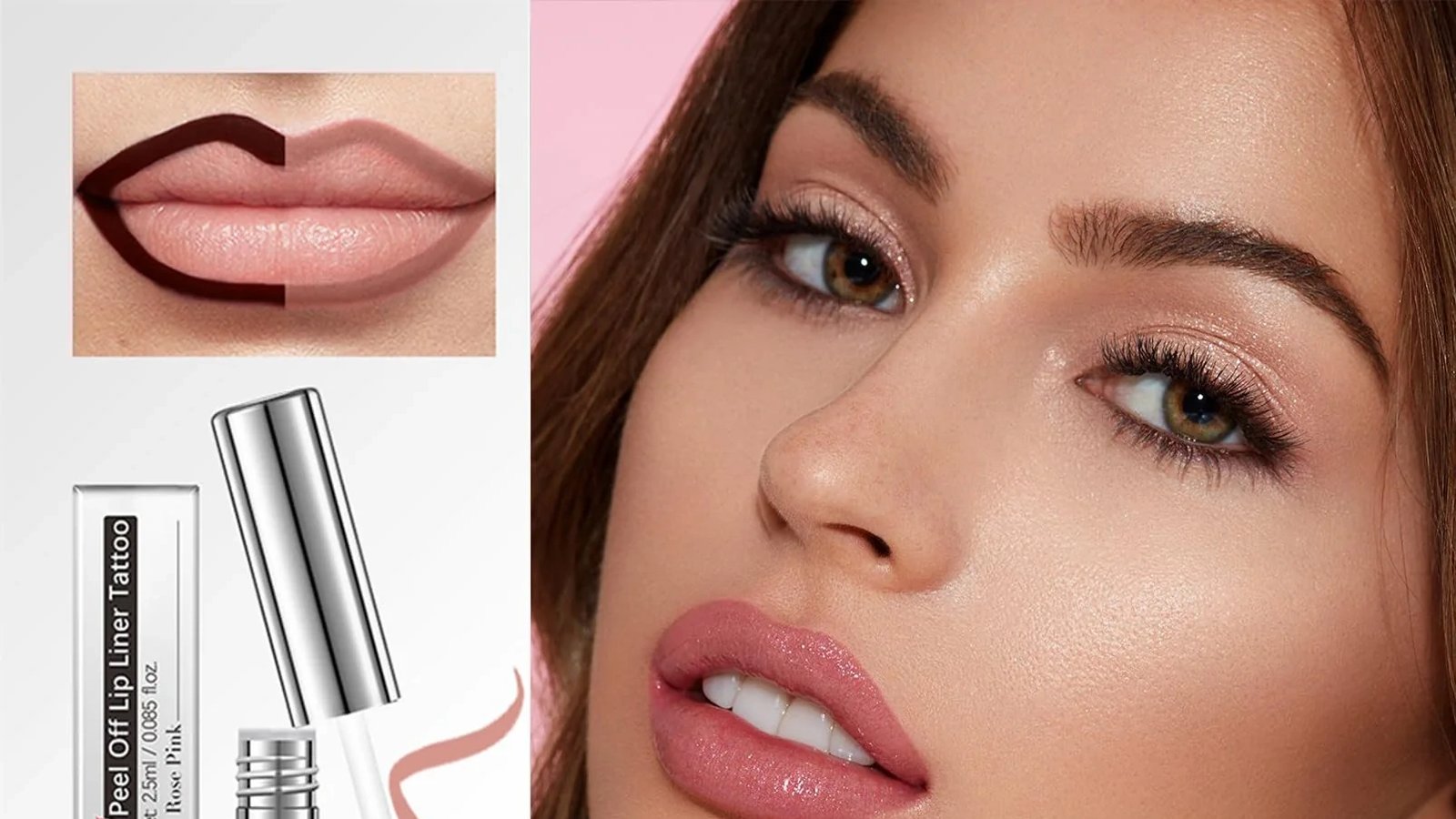
Patchy, uneven lip blush is usually one of two things: normal mid-healing strangeness that settles within six to eight weeks, or a genuine failure — poor retention, uneven fading, migrated pigment or a grey colour shift. The fix ladder runs: wait for full healing, book the perfecting session, then colour correction, then saline or laser removal.
First: is it actually “gone wrong”, or still healing?
Lip blush looks its worst in the middle of healing. Between roughly day four and week three, the lips flake — and the flakes rarely shed evenly. One patch reveals pale, almost ghost-like new skin while the area next to it still looks dark. A translucent layer of fresh skin (artists call it “milk film”) can also mute the colour underneath, so lips look blotchy even where pigment is sitting perfectly.
Correction studios are consistent on this point: the true, settled colour only shows at six to eight weeks, and judging the result earlier is the single most common false alarm. If you want to know exactly what each week should look like, our day-by-day healing guide walks through it.
Two rules while you wait: do not pick at flakes (picking pulls pigment out and can scar, creating the very patchiness you fear), and follow the aftercare sheet to the letter.
The five failure modes correction specialists see most
If the eight-week mark has passed and your lips still look wrong, you are probably looking at one of these. All five appear repeatedly in the case work of PMU correction sources such as PMUHub and correction-focused artists.
1. Patchy retention
Pigment held in some areas and vanished in others. Correction artists trace this to needle work that was too shallow (pigment sheds with the skin), naturally dry or resistant patches of lip tissue, and aftercare lapses — soaking the lips, picking, or using products the artist didn’t approve.
2. Uneven fading
The result looked even at first, then one zone faded faster. Australian PMU artist Ira Bale attributes this to inconsistent saturation and pressure during the appointment, natural variation in lip tissue, and lifestyle factors during healing. Her rule of thumb: unevenness that survives full healing usually indicates a technical issue, not bad luck.
3. Migration outside the lip line
Pigment blurs past the natural border into the surrounding skin, leaving a shadowy halo. Cosmetic tattoo specialists identify needle depth as the number-one cause: pigment placed too deep reaches fatty, vascular layers and spreads like ink on wet paper. Heavy pressure, overworked skin, thin or mature lip skin and ambitious overlining all raise the risk. Migration does not tidy itself up — it generally needs targeted removal.
4. Colour turned blue, grey or ashy
The most distressing one, and usually a colour-theory failure rather than a healing failure. Cool-toned pigment applied over naturally cool or melanin-rich lips without a warming corrector heals grey or purple; pigment implanted too deeply reads blue through the skin; and traumatised tissue can hyperpigment. Specialists in vermilion-zone correction stress that mild cases can be neutralised with complementary warm tones (orange, peach, yellow-gold), but when pigment sits deep or heavy, adding more colour just heals muddy — the load has to be reduced first.
5. Cold-sore-triggered pigment loss
Needling the lips can wake the herpes simplex virus. The NHS lists injury to the area among recognised cold-sore triggers, and PMU correction sources report that blisters which erupt during healing take pigment with them as they crust and shed, leaving pale patches. The NHS advises antiviral cream at the first tingle and GP-prescribed tablets for severe or recurrent outbreaks; correction artists insist the virus is fully treated before any repair work.
Across all five, the same three root causes recur: aftercare lapses, the wrong pigment for your skin tone, and an inexperienced technician who couldn’t control depth, saturation or colour temperature.
The fix ladder: escalate slowly
Work up this ladder one rung at a time — never skip straight to removal, and never let anyone work on unhealed lips.
| What you see after 8 weeks | Most likely cause | First move | If that fails |
|---|---|---|---|
| Light or bare patches | Shallow work, aftercare lapse | Perfecting session | Second pass or correction |
| One zone faded faster | Uneven saturation | Perfecting session | Correction with adjusted technique |
| Blurred shadow outside the lip line | Pigment too deep, overworking | Correction consult | Saline or laser removal of the migrated edge |
| Grey, blue or ashy tone | Cool pigment, unneutralised undertone, depth | Warm colour-correction consult | Partial removal, then re-tattoo |
| Blisters, then pale patches | Cold-sore flare | Treat the virus (pharmacist/GP) | Perfecting session once fully healed |
- Wait for full healing. Six to eight weeks minimum. This costs nothing and resolves a large share of “disasters” by itself.
- The perfecting session. A standard part of the process — usually included or charged as a small top-up — designed to fill patches, balance saturation and refine the line.
- Colour correction. For tone problems. A trained corrector neutralises grey or blue with complementary warm pigments over one or more sessions.
- Saline or laser removal. For migration, heavy saturation or a full restart. Saline removal (typically two to six sessions, per PMUHub) lifts pigment out on healing scabs without changing its colour — which matters, because most lip pigments contain titanium dioxide, and laser can paradoxically darken it from white to blue-black. Laser suits darker, deeper pigment, but a test spot first is non-negotiable. Never touch DIY removal creams; they are ineffective and can scar.
Bear in mind the money at stake: UK salon lip blush typically costs £250–£800, and every rung of the ladder beyond the included perfecting session adds more. That maths is worth doing before you commit to a fix — and before you commit to lips at all next time.
How to choose a corrector
- Ask for healed photos of correction work — grey-lip neutralisations and migration fixes, not fresh-off-the-machine shots.
- Listen for colour theory. A good corrector talks about your undertones and how they’ll neutralise before they talk price.
- Trust the one who says no. Honest correctors sometimes recommend “removal first” or “wait longer” instead of tattooing more pigment in.
- Expect a full medical history (including cold sores), a patch test, insurance, and premises registered with the local authority.
- Rethinking the whole approach? Our permanent lip liner buyer’s guide covers how liner-only work differs from full blush.
Prevention checklist for next time
- Vet the artist on healed results at six-plus weeks, ideally on your skin tone.
- Insist on a consultation that covers your lip undertone and pigment warmth.
- Disclose any cold-sore history and ask your pharmacist or GP about antivirals beforehand.
- Book nothing within eight weeks of a big event.
- Aftercare: no picking, no soaking, no acids or retinoids near the lips, SPF balm outdoors.
- Get the perfecting session in the diary before you leave.
- Resist heavy overlining — it is a migration risk on thin skin.
If you’ve lost your nerve: the zero-commitment version
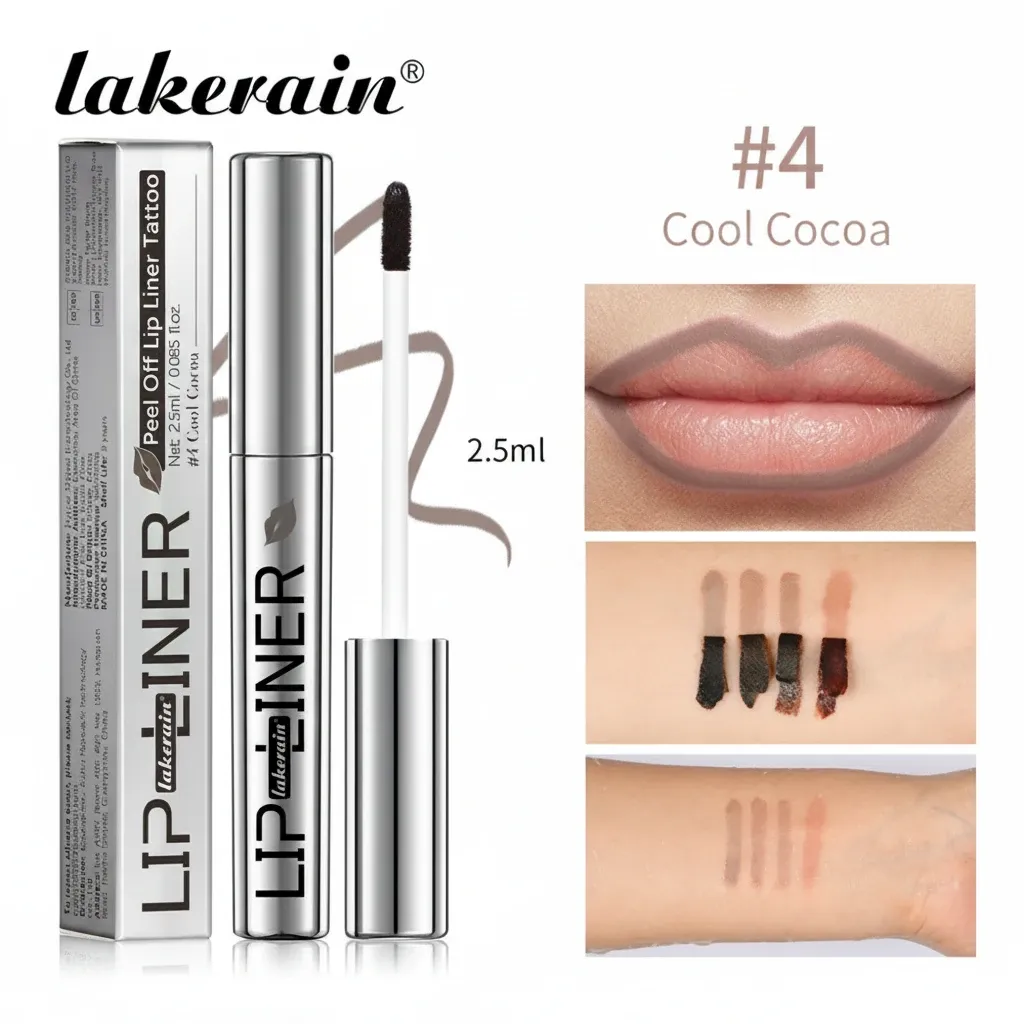
It is entirely reasonable to decide needles aren’t for you. A peel-off lip stain gives the tinted, matte, your-lips-but-better finish that fades over a day rather than years — nothing to correct, nothing to remove. Our Lakerain Peel-Off Lip Liner Tattoo set (£9.99, four shades from rose pink to cool cocoa) works as a liner or a full-lip tint: apply, let it dry for five to ten minutes, peel. Lakerain states wear of up to 12 hours — the manufacturer’s figure, labelled as such. It has its own patchiness rule, too — peel too early or apply over chapped lips and the result is uneven, so exfoliate first and let it dry fully. And if it does go patchy? Wash it off and redo it. That is the entire correction ladder. Weighing stain against needle properly? See our peel-off stain vs lip blush comparison.
FAQ
How long should I wait before trying to fix patchy lip blush?
Six to eight weeks minimum. Lips shed and rebuild quickly, and mid-healing patchiness — ghost patches, milk film, uneven flaking — often resolves on its own. Reputable artists will not tattoo over unhealed tissue, and most schedule a perfecting session at around the eight-week mark precisely to even out whatever remains. Only if patchiness survives that session are you into genuine correction territory.
Why has my lip blush turned grey or blue?
Usually colour theory, not bad luck. Cool-toned pigment applied to naturally cool or melanin-rich lips without a warming corrector heals ashy, and pigment implanted too deeply reads blue-grey through the skin. Correction specialists neutralise these tones with warm orange, peach or yellow-gold pigments; in heavily saturated or deep cases they recommend partial removal first, because layering more colour over an uncorrected base heals muddy.
Can botched lip blush be removed completely?
Often, but slowly. Saline removal typically takes two to six sessions and lifts pigment out on healing scabs without altering its colour — important, because most lip pigments contain titanium dioxide, which can turn dark under laser. Laser removal suits darker, deeper pigment, but a test patch is essential first. Avoid DIY removal creams entirely; they are ineffective and can cause scarring.
Will a cold sore ruin my healed lip blush?
It can leave pale patches. Needling can trigger a herpes simplex flare, and blisters that form during healing tend to take pigment with them as they crust and shed. The NHS notes that injury to the area is a recognised trigger and recommends antiviral cream at the first tingle, or tablets for severe or frequent outbreaks. Tell your artist about any cold-sore history before booking, and treat any flare fully before correction work.
Ready to transform your routine with Lakerain?
Shop Now — £16.99